

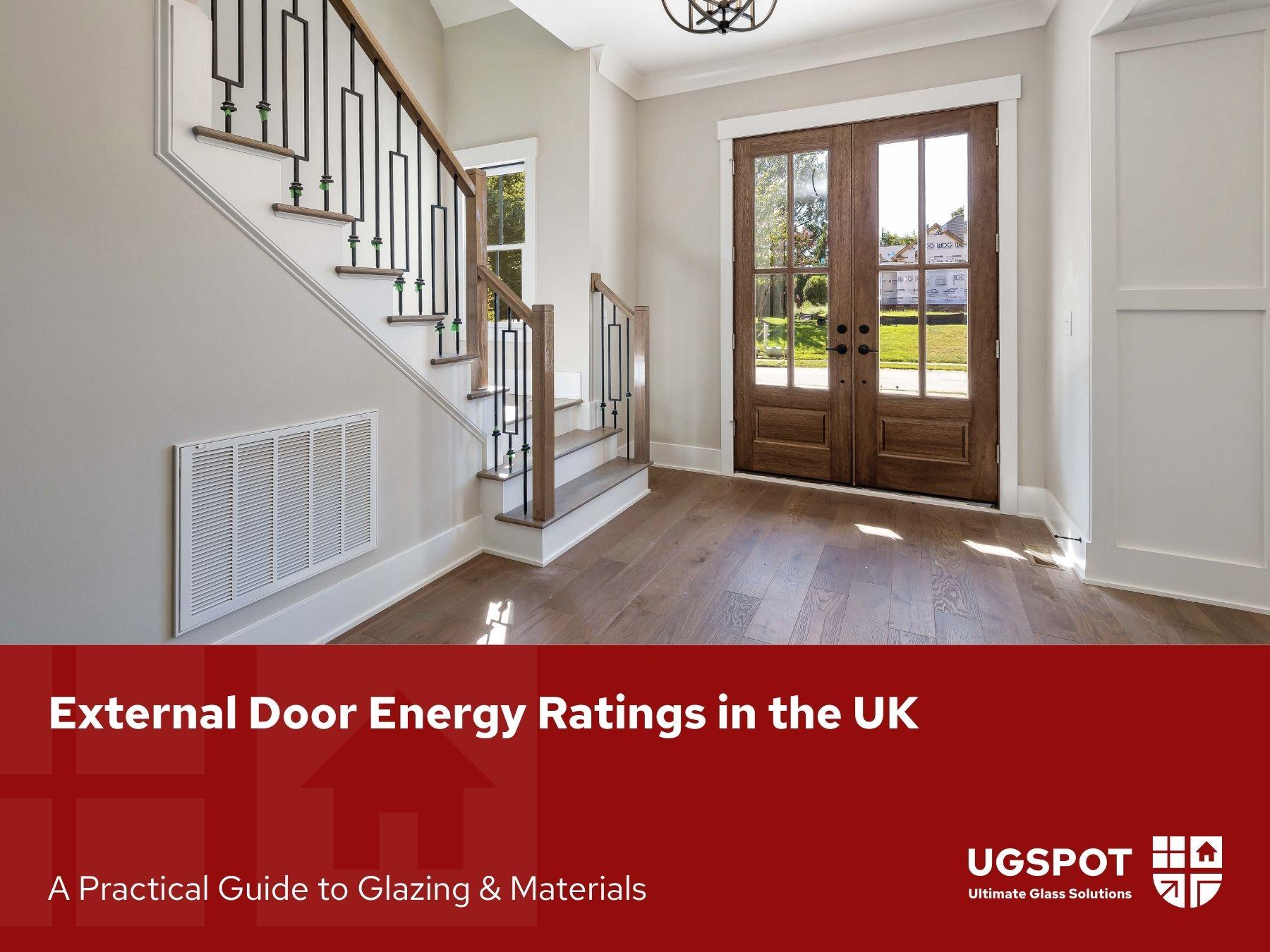
The heat loss rate of the entire system (slab, frame, glass, seals and threshold) is another snapshot of the performance of UK entrance doors. Glass area is also a factor that affects it the most; a thin panel of good specification will be able to beat a thick panel of good, average glazing. Thorough thermal insulation of aluminium cores, insulated cores on uPVC and timber, and comprehensive sealing of the frame are as significant as the headline in the catalogue.
The instalment will decide the enforceability of the promise. An efficient door can be a draft trapper due to a crack that is not sealed, or by a sill that leaks or a weak gasket compression. To get an idea of how these details are used in different designs, have a look at the entrance doors currently in use.
What an External Door Energy Rating Means in the UK
An energy rating simply describes how well a door can preserve a warm room when it is cold outside and vice versa. It is a combination of the door assembly as a whole, including the slab, frame, glazing, seals, and threshold. A higher rating would have suggested fewer draughts, less heat escape and a less windy passageway in the winter months. It also provides some suggestions regarding the degree of detail specification, such as insulated cores, a well-formed thermal break at the aluminium, and constructed glazing that functions rather than just looks nice.
Why it matters for bills and comfort
Loss of heat at the doorway causes the boiler or heat pump to work harder. An insulated door (see the doors' collection) retains a higher amount of warmth in the house. Thus, together with rooms closer to the entrance, they feel more consistent, and you do not have to adjust the thermostat as often. The right seals and a clean threshold make the draughts less harsh. Better glazing causes cold areas and less condensation on the glass. When the entrance is open, or is towards the north, the difference is readily felt on the windy days.
Where to see the rating on product pages
There should be a clear note or badge in the specifications of the energy rating. It also has some pages with a U-value, the lower the number, the more insulation there is. Confirm glazing construction (low-e coating; double, triple; gas fill), and frame (insulated core; thermal break on aluminium). The type of seal and threshold is generally specified on either a downloadable data sheet or in the specification. A change in rating may occur when you combine elements, such as adding a larger glazed panel. To ensure you have the right one when making your final choice, confirm that it is indeed the correct one. See present designs in entrance doors.
How Ratings Are Determined
The overall behaviour of the entire door system is depicted in the final grade, rather than the slab. This implies that the panel, frame, glazing, seals, and threshold are all in place. So does the quality of installation. A well-designed door cannot perform well when it is installed without consideration.
The main contributors
- Glazing
Glass is usually the most conductive part of a door. Commonly, these are double-glazed; triple-glazed helps cut down the amount of heat flow, and this can be particularly beneficial where there is a large gap in the glass or where the place is exposed. Heat loss can be reduced by low-emissivity (low-e) coating, inert gases inside the building, and warm-edge spacers. Elegant lines are slim, and their performance depends on the spacer and coating options. - Door slab and frame
Insulated cores are used in many modern slabs to retard the conductivity of heat. The positioning of the frame material and chambers inside also influences performance. The perimeter is sealed continuously, as well as a designed threshold, to keep the draft out. - Thermal breaks
In metal, the thermal break is another term used to describe the exterior and interior components of the frame, which is used to break the continuity of heat flow. The design and the thickness of the door determine its performance in cold weather.
Installation quality
Take your time with a high-rating model, and it will not work well. The common pitfalls include gaps concealed by trim, uneven sills, and seals that do not fit. It is necessary to have proper foaming and sealing of the frame, a flat level threshold and proper compression of the gaskets. When recruiting a skilled expert, make enquiries about how they close at the cill and around the frame, and whether they inspect leaf compaction when finished making their last adjustments. These facts highlight the difference between the door that appears to be the correct one and the door that actually works on a windy night.
Glazing Options for Entrance Doors
Glazing has two effects on a door: it alters appearance and thermal characteristics. Use it to bring in daylight, define the style and guide visitors to the entrance – even in the darker hallways. The key is to match the glass setup to the doorway’s exposure and your priorities.
Double vs Triple Glazing
Double glazing suits most entrances, providing a good balance of efficiency and weight. It is filled with inner gas, most commonly argon, which helps retain the heat.
Triple glazing offers higher insulation and may be worth it for north-facing doors, homes in cooler microclimates, or designs with generous glass areas. One of the best characteristics is its ability to reduce noise. Note that triple units are heavier; hinges and leaf construction must be specified accordingly.
Low-e coatings, gas fills, and warm-edge spacers
A low-e coating reflects interior heat into the room, gas fills (often argon) reduce conduction, and warm-edge spacers limit the “cold bridge” around the edge of the unit. Together, these features can narrow the performance gap between a glazed door and a solid one – useful if you favour a bright, welcoming entrance.
Privacy, decorative glass, and sidelights
Patterned or obscure glass can be used to ensure privacy without making the hallway feel like a cave. Slim vertical lights (either as a door light or as side-lights) can make the ceiling seem higher and draw attention to the handle. If you plan a large glazed area, consider triple glazing, a top-performing low-e coating, or a design that combines a slimmer glass strip with a well-insulated slab.
Glazing quick reference
|
Glazing option |
What it does |
Typical use |
|
Double glazing |
Balanced efficiency and weight |
Most entrances |
|
Triple glazing |
Higher insulation; heavier unit |
Exposed sites; larger glass |
|
Low-e coating |
Reflects room heat inside |
Any glazed panel |
|
Gas fill |
Reduces conduction through the cavity |
Larger or colder-aspect designs |
|
Warm-edge spacers |
Limits edge heat loss and condensation |
All modern units |
Door Materials Compared: uPVC vs Aluminium vs Timber
The material will determine how the door looks, how it should be maintained, and how it will respond to temperature fluctuations. No one option is "right" for every home; it is a matter of the look you want, the site conditions and maintenance preferences. To compare specific ranges according to material, see uPVC doors, aluminium doors and timber doors described below.
uPVC: efficient and low-maintenance
Modern uPVC doors are usually multi-chambered framed doors with insulated slabs. They are generally easy to maintain – regular cleaning and occasional inspection of the seals is all that is ordinarily required. Finishes have improved in recent years, with colours and textures suitable for traditional as well as contemporary facades. When replacing an older panel door, uPVC can offer an active increase in comfort with very little maintenance.
Aluminium: strength with a thermal break
For those preferring sharper lines or larger glazed areas, aluminium frames, slim and powerful, come in handy. The thermal break is all-important because it separates the inside and the outside metal to minimise heat flow. A final picture of quality gaskets and proper installation. Aluminium works well in combination with triple glazing on exposed locations, or with carefully specified double glazing for a lighter and more precise appearance.
Timber: natural and repairable
Why is it so warm to the eye? Timber doors provide a unique touch and texture that everyone appreciates. Modern timber slabs are typically designed and insulated, incorporating both the aesthetic appeal of wood and enhanced stability. They require periodic care, including checking of paint or stain, and refreshing as needed, but they do last for many years and are more easily repaired than some alternatives. Timber remains a good option for character homes or premium new builds.
Core comparison
|
Criteria |
uPVC |
Aluminium |
Timber |
|
Thermal performance |
High with insulated cores and multi-chambers |
High with an effective thermal break |
High with modern engineered slabs |
|
Maintenance |
Minimal routine cleaning |
Low; check seals and hardware |
Periodic refinishing and checks |
|
Lifespan |
Long with basic care |
Long; durable finishes available |
Long with upkeep; readily repairable |
|
Aesthetics |
Wide range of colours and grains |
Slim, crisp sightlines; contemporary |
Natural grain; suits heritage and premium looks |
|
Typical use-cases |
Budget-friendly upgrades; versatile styles |
Modern designs; larger glazed areas |
Character properties; bespoke finishes |
Tip: if you are dealing with a head-to-head design, consider the glass area, threshold design and slab material. In practice, those details reduce the gap between materials.
Choosing the right rating for your home and budget
The correct grade is the one which suits your location, your comfort requirements and the purpose of the door. An enclosed porch can be done without the same specification as one on the north of the house, which is exposed to the full blast of winter winds.
Matching rating, glazing area, and exposure
It’s better to think about parameters and options before installation.
- Aspect and shelter
Where the entrance is open to the weather, it is better to use steps up. Triple glazing is an option with larger lights. Inquire about the design of the threshold and check how many sealing points the system has. In a covered porch, good-quality double glazing with a low-e coating is sufficient. - Glazed area
The higher the amount of glass, the more important the glazing spec is. Make the design work more efficiently by using more efficient units or recutting the glass space into thinner, better-insulated strips, rather than wide panels, if you wish to trap the heat. - Daily use
The seal will remain effective over time, provided there is smooth operation and strong gaskets, especially if the door serves as the primary entry and exit point. Post-installation modifications can be made to avoid compromising pressure and performance.
By the way, it is always possible to get consultation at https://ugspot.co.uk/. There are qualified masters who can help with the best choice.
Reading product specs without getting lost
On each product page, scan for these points:
- Glazing build – double or triple; low-e coating; gas fill; spacer type.
- Slab and frame – insulated core details; multi-chamber frame on uPVC; thermal break on aluminium; engineered on timber.
- Seals and threshold – Continuous gaskets – Low or normal threshold – Drainage and cill design.
- Downloads – a data sheet or a fitting guide will often provide historical information on the performance and maintenance steps.
- Installation notes – does the supplier offer advice on sealing and after-care check lists?
In order to see designs right beside each other, start from the Doors or go straight to the Entrance doors.
Verifying Labels and Documentation
A few minutes spent on documents avoids guesswork and ensures the door you receive matches the performance you expect.
On-page badges and PDFs
Look for an on-page badge near the price or specification list. If present, download the PDF data sheet and save it with your notes. Data sheets usually summarise the glazing setup, core, seals, and threshold. If your chosen handle set or lock upgrade changes the leaf thickness, ensure the glazing specification still applies.
What to look for on the page
|
Energy rating or U-value |
This is a general number, this number must be obvious. The smaller, the better the U-values. |
|
Glazing build |
Is it two or three coats? Is the unit coated with low-e glass, filled with gas (e.g., argon), and equipped with a warm-edge spacer on all sides? |
|
Frame and core |
The frames in frame and core uPVC will tend to fit with multi-chamber, thermal break, to which is intended to be used, an engineered insulated slab ought to be timber |
|
Seals and threshold |
There should be a continuous gasket, a clean threshold draw, and cill water treatment. |
|
Options that change results |
The performance may be affected by the size of the glass areas, the nature of the panels, or the hardware; look up the rating for your specific combination. |
Tip: Save answers on your confirmation of order to enable your reference later.
Questions to ask the installer or surveyor
- May I receive the data sheet (PDF) for my ordered specifications, including size, glass, core, threshold, and hardware?
- Who will seal the perimeter and cill (foam/tapes/sealants) and monitor gasket compression upon hand-over?
- Do you also pay a post-fit visit (after 6–12 months) to make the door hinges/locks since the door has settled?
- What follow-up maintenance has a performance level of gasket maintenance, drain path clearance, and finish check on timber?
- What is actually covered by the warranty (as per performance figures, glass spec, installation)?
Red flags
- No U-value is admitted; there are only general remarks regarding being highly efficient.
- There is no information available about the building's details, and it features ornamental glazing.
- Aluminium is non-thermal break coated.
- A promised “A-rated” result that isn’t tied to your chosen options.
FAQs
1) Do we need triple glazing for an entrance door?
Triple glazing is desirable in places where the size of the areas of glass is larger, colder or where the interviewee desires the hallway to be less cold. Cases of two glasses with low-e may be used quite effectively in the instance of manner-defined cases of little lights on a smooth surface.
2) Does a darker door colour have an influence on efficiency?
The effect of colour on the direct sunshine is the solar gain and surface temperature. In the majority of UK settings, the power of core, seals and glazing specifications is more significant to efficiency rather than colour. Choose your finishes, and then the building specification is confirmed.
3) How does the energy rating relate to the abatement of noise?
They are not comparable tests, but properties that just retard heat loss, including multi-layer construction, closed lines, and good glazing, tend to reduce exterior sound, too. In case sound control is a critical factor, it is better to ask for any acoustic information that is included in the data sheet.
4) Do you contain high-rated doors which are compatible with security hardware and smart locks?
Efficient doors can be used with the modern locking systems. Any form of upgrade (including a fatter leaf or a different version of an escutcheon) that needs to be done should be detailed to avoid compromising seals, compression and glazing.
5) Is the rating going to be compromised with a low threshold?
The scanty environment is comfortable to walk around in and is clean. Design will affect its effects on efficiency. Ask what the threshold is preventing the leaf, whether there is a complete store in the foot cill detail.
6) How often should seals and finishes be checked?
Check gaskets and compression at least once during the first year, and then annually thereafter. Wipe the seals clean, confirm the latch and hinges maintain even contact, and follow any finishing schedule for the timber. Small adjustments keep performance steady.
7) Can timber doors be applied in modern buildings?
Yes. Engineered timber slabs have good insulation and can also be repaired and refinished to their original condition. The determining factors of the end product, as is the case, are glass, seals, and the quality of installation.
Conclusion
Energy rating gives a conclusive comparison of entrance doors, but these are not everything. The choices of glamour selections, thresholding and seal design and installation will make your hallway warm and welcoming. You want a brighter look, you may want to change the glazing on low-e finishes, warm-edge spacers, and on some parts of the building, to triple units. To make it firmer, it is best to pay attention to an insulated slab, high-quality gaskets, and clean threshold details.
You are eager to enquire, and you might start with the Entrance doors or with the entire assemblage of Doors. In terms of material, one can compare uPVC doors, aluminium doors and timber doors. When considering the basics, such as glazing, core, seals, and fit, you can ensure that your new door is designed to withstand the UK seasons.